The Benefits of Regular Roof Inspections for Homeowners
A roof is more than just the top layer of a home—it is a critical shield protecting your property, family, and possessions from the elements. From harsh sun and heavy rainfall to wind, hail, and snow, your roof constantly endures wear and tear. Despite its importance, many homeowners overlook routine inspections, assuming that visible damage is the only cause for concern. In reality, minor issues like loose shingles, clogged gutters, or small leaks can escalate into significant structural problems, compromising the safety and value of a home. Understanding the benefits of regular roof inspections allows homeowners to take a proactive approach, addressing potential issues before they become costly repairs.
Investing in regular roof inspections offers far-reaching advantages, from extending the lifespan of your roofing system to improving energy efficiency and safeguarding your home against unexpected weather events. These inspections provide peace of mind, ensuring that your home remains a secure and comfortable environment for your family. For homeowners, knowledge is power: knowing the condition of your roof allows for timely maintenance, informed repair decisions, and ultimately, a stronger, more resilient home.
1. Early Detection of Damage
Identifying Minor Issues Before They Escalate
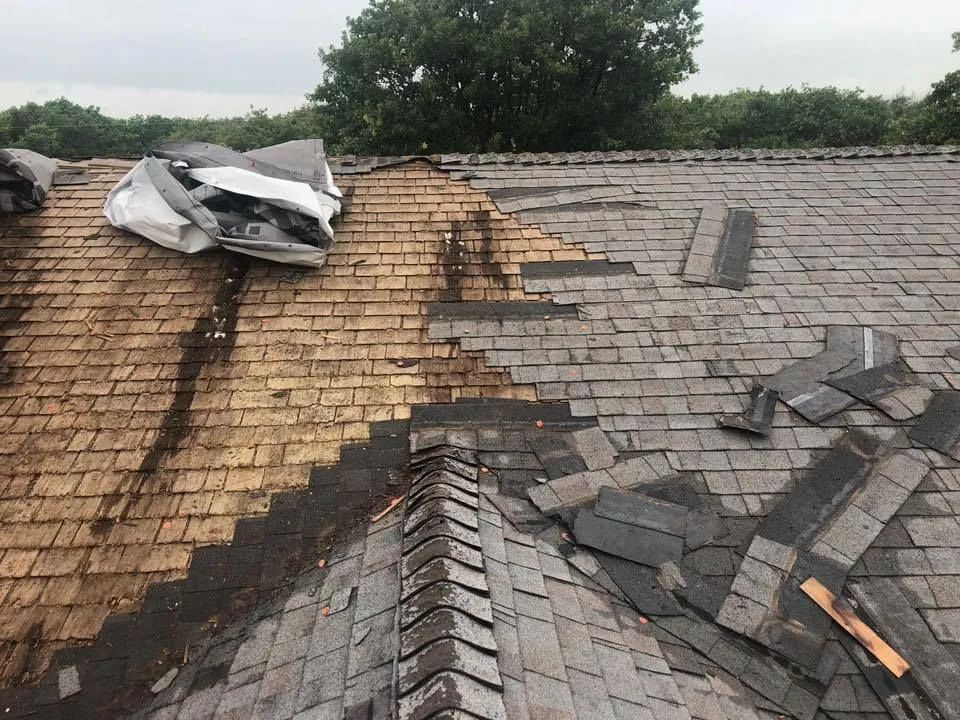
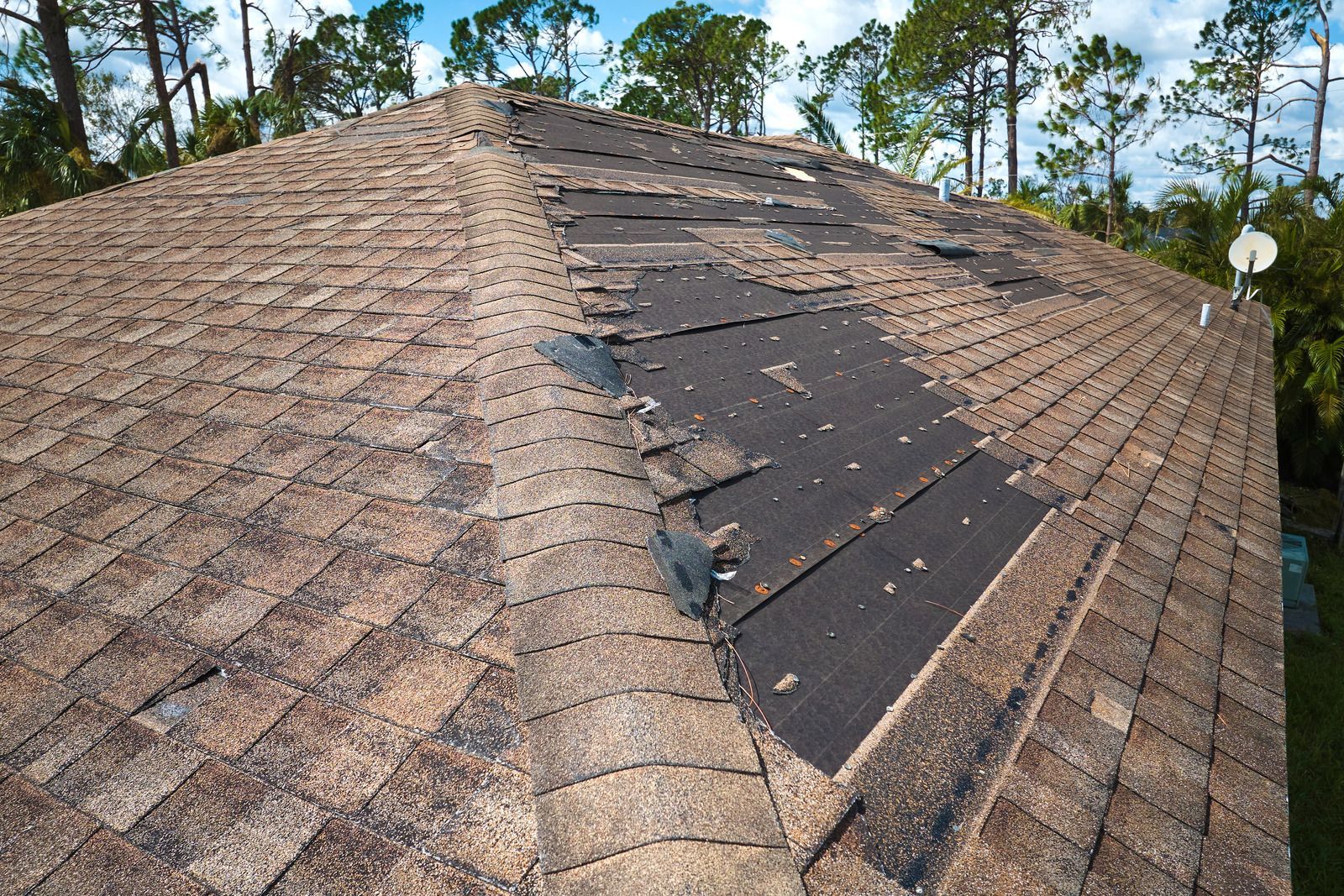
One of the most significant benefits of regular roof inspections is early detection of damage. Roofs are continuously exposed to environmental stressors—UV rays, wind, rain, ice, and debris—that can gradually weaken materials. Small problems, such as cracked shingles, curling edges, or minor leaks, may seem insignificant initially but can evolve into major structural concerns if left unaddressed. An inspection conducted by a professional can identify these early warning signs before they lead to extensive damage.
Preventing Costly Repairs
Unnoticed roof damage can lead to expensive repairs down the line. For example, a small leak may infiltrate the underlying roof decking, leading to rot, mold growth, or even damage to the interior ceiling. According to roofing industry studies, early detection through routine inspections can reduce repair costs by up to 30–40%. Addressing minor issues promptly ensures the longevity of roofing materials and prevents homeowners from facing emergency repair situations, which are often more expensive and disruptive.
Real-World Scenario
Consider a homeowner in a region prone to seasonal storms. After a routine inspection, a roofing contractor identifies several shingles showing signs of stress. By replacing these shingles immediately, the homeowner avoids a potential water infiltration problem during an upcoming storm season. This example highlights how proactive inspections protect both property value and the safety of occupants.
Best Practices
Homeowners should schedule roof inspections at least twice a year—preferably in spring and fall—and after major weather events. Engaging a licensed professional ensures that the inspection covers all critical areas, including flashing, gutters, vents, and attic spaces. Documenting inspection findings also helps track roof condition over time and supports future maintenance decisions.
2. Extending Roof Lifespan
Preventing Premature Wear and Tear
Roofs have a finite lifespan that varies depending on material type, installation quality, and environmental conditions. Asphalt shingles typically last 20–25 years, while metal or tile roofs can exceed 50 years with proper care. Regular inspections help extend this lifespan by preventing minor issues from accelerating wear. Addressing loose or missing shingles, deteriorated sealants, or damaged flashing ensures that the roof performs optimally for its intended duration.
Enhancing Material Performance
Routine inspections also allow for maintenance practices that enhance material performance. Cleaning debris from gutters, removing moss or algae, and ensuring proper attic ventilation can reduce moisture accumulation and temperature fluctuations that weaken roofing materials. This proactive approach preserves the structural integrity of the roof, reducing the risk of premature failure.
Real-World Example
A homeowner with a 15-year-old asphalt roof schedules annual inspections. The contractor identifies early signs of granule loss on the shingles and advises applying a protective coating. This minor intervention prevents further deterioration and adds several years to the roof’s life, saving the homeowner from costly replacement.
Expert Recommendation
For homeowners seeking long-term investment value, maintaining a roof through scheduled inspections is critical. The small cost of routine inspections is far outweighed by the financial and practical benefits of delaying a full roof replacement. This proactive care also contributes to the overall sustainability of the home, reducing material waste and promoting energy efficiency.
3. Energy Efficiency and Cost Savings
Detecting Insulation and Ventilation Issues
Regular roof inspections are not solely about structural integrity—they also play a significant role in energy efficiency. Inspectors assess attic insulation, ventilation, and potential leaks that may compromise temperature regulation. Poor ventilation or insulation gaps can cause a home to lose heat in winter and retain excessive heat in summer, resulting in higher energy bills.
Improving HVAC Performance
A well-maintained roof supports efficient HVAC operation. When the roof system prevents air leaks and moisture infiltration, heating and cooling systems work less to maintain comfortable indoor temperatures. This reduces wear on HVAC components and lowers energy costs, delivering long-term savings to homeowners.
Real-World Scenario
In one case study, a homeowner noticed high energy bills despite a properly functioning HVAC system. During a roof inspection, the contractor discovered gaps in attic insulation and minor roof leaks. After repairs and insulation adjustments, energy consumption dropped significantly, demonstrating how roof inspections contribute to overall home efficiency.
Best Practices
Homeowners should integrate energy efficiency checks into routine roof inspections. Ensuring proper ventilation, evaluating insulation levels, and repairing leaks can create a more comfortable living environment while reducing operational costs.
4. Safety and Structural Integrity
Preventing Structural Compromises
A damaged roof can jeopardize the entire structure of a home. Water infiltration, mold growth, and rot weaken roof decking, rafters, and supporting walls. Regular inspections help detect these hidden risks before they compromise the home’s safety. Structural integrity is especially important in areas prone to heavy snow, strong winds, or severe storms.
Protecting Family Health
Moisture accumulation and mold growth pose health risks to occupants. Mold spores can trigger allergic reactions, respiratory issues, and other health concerns. By addressing leaks and water damage promptly, roof inspections protect not only the structure but also the well-being of those living inside the home.
Real-World Scenario
A homeowner in a humid region schedules a roof inspection after noticing discoloration on the ceiling. The contractor identifies a slow leak in the flashing that had allowed moisture to infiltrate the attic. Timely repair prevented mold proliferation, avoided structural weakening, and ensured a safe environment for the family.
Best Practices
Homeowners should prioritize inspections in climates with heavy precipitation or extreme weather. Combining visual inspections with professional assessments ensures hidden damage does not go unnoticed. Safety-focused maintenance should be a cornerstone of any homeownership plan.
5. Insurance Compliance and Property Value
Meeting Insurance Requirements
Insurance providers often require proof of roof maintenance for claims involving storm damage or water infiltration. Regular inspections create documentation demonstrating that the roof was properly cared for, which can facilitate claim approval in case of unforeseen damage. Neglecting inspections can result in denied claims, leaving homeowners financially exposed.
Preserving and Increasing Property Value
A well-maintained roof adds significant value to a home. Prospective buyers view a roof in good condition as a sign of overall property care. Homes with documented maintenance histories often sell faster and at higher prices, giving homeowners a competitive advantage in the real estate market.
Real-World Scenario
A homeowner plans to sell their property and schedules a pre-listing roof inspection. The contractor identifies minor repairs that, once addressed, reassure potential buyers of the home’s integrity. The inspection report becomes a selling point, demonstrating proactive care and increasing buyer confidence.
Best Practices
Homeowners should maintain detailed records of all inspections and repairs. This documentation not only supports insurance claims but also enhances property marketability. Investing in routine inspections is a strategic decision that pays off both financially and practically.
6. Peace of Mind and Proactive Planning
Reducing Stress for Homeowners
Routine roof inspections provide peace of mind. Knowing the roof’s condition allows homeowners to plan maintenance budgets, schedule timely repairs, and avoid unexpected emergencies. This proactive approach reduces stress and ensures that the home remains safe, comfortable, and protected from environmental hazards.
Supporting Long-Term Home Planning
Regular inspections help homeowners make informed decisions about future roof upgrades or replacements. Understanding the roof’s current condition allows for strategic planning, avoiding rushed decisions that may compromise quality or cost efficiency.
Real-World Example
A family living in a storm-prone area schedules biannual roof inspections. By identifying issues early and planning repairs during the off-season, they avoid emergency situations during peak storm months, saving time, money, and potential property damage.
Best Practices
Homeowners should combine professional inspections with seasonal self-checks, including visual assessments of shingles, gutters, and flashing. This two-tiered approach ensures that the roof remains in optimal condition year-round.
Professional Roof Maintenance with Lopez & Sons Experts
At Lopez & Sons Roofing LLC, located in Chickasha, Oklahoma, we bring 30
years of trusted experience to every roof inspection and maintenance project. Our team of licensed and skilled
roofing professionals
understands the unique challenges homeowners face and provides comprehensive solutions tailored to each property. We prioritize safety, efficiency, and quality in every inspection, ensuring that potential issues are addressed promptly and effectively. Over three decades, we have built a reputation for reliability, professionalism, and exceptional customer service, helping countless homeowners protect and extend the life of their roofs. Choosing Lopez & Sons Roofing LLC
means choosing a partner committed to safeguarding your home, enhancing its value, and providing peace of mind with every inspection and repair. With our expertise, proactive approach, and dedication to quality, homeowners can confidently maintain a resilient roof that stands the test of time.