DIY Roof Repairs: What You Can Fix Yourself and What You Shouldn’t
Roof damage often begins with small warning signs that many homeowners overlook until serious problems develop. A missing shingle after a storm, a small leak near the attic, clogged flashing around a vent, or cracked sealant around roof penetrations may appear minor at first. However, even small roofing issues can lead to water intrusion, mold growth, insulation damage, wood rot, and expensive structural repairs when ignored for too long. Understanding which repairs are safe to handle independently and which situations require professional roofing expertise helps prevent unnecessary risks and costly mistakes.
DIY roof repair can save time and money when handled correctly, especially for simple maintenance tasks that do not compromise the roof’s structural integrity. However, roofing work also involves serious safety concerns, technical installation requirements, and hidden damage that may not be visible from the surface. Knowing the difference between manageable repairs and dangerous roofing situations allows homeowners to protect both their property and personal safety while making informed decisions about roof maintenance and professional intervention.
Understanding the Risks Behind DIY Roof Repairs
Why Roofing Repairs Require Careful Judgment
Roofing systems protect every part of a home from moisture, temperature fluctuations, wind exposure, and environmental wear. Unlike many interior projects, roofing repairs involve working at dangerous heights while handling materials that must remain watertight under changing weather conditions. Even a small installation error can allow moisture to penetrate beneath roofing layers and spread unnoticed through insulation, decking, and framing components.
Many homeowners underestimate how interconnected roofing systems are. Shingles, flashing, underlayment, ventilation systems, gutters, and drainage components all work together to prevent water infiltration. Repairing one visible problem without understanding the surrounding system can unintentionally create additional vulnerabilities elsewhere on the roof.
Common Reasons DIY Repairs Go Wrong
Several factors contribute to failed DIY roof repairs:
- Incorrect material selection
- Improper nail placement
- Inadequate sealing methods
- Failure to identify hidden moisture damage
- Unsafe ladder usage
- Walking improperly on roofing surfaces
- Ignoring roof pitch limitations
For example, replacing a missing shingle may seem simple, but improper alignment or fastening can expose surrounding shingles to wind uplift. Similarly, applying roofing cement over an active leak without addressing the root cause often traps moisture beneath the roofing surface.
Evaluating Roof Safety Before Starting Repairs
Before attempting any roof repair, homeowners should assess several important factors:
Roof Pitch and Accessibility
Steep roofs dramatically increase fall risks. Roofs with high slopes, fragile materials, or limited access points should never be considered DIY-friendly projects.
Weather Conditions
Wet shingles, strong winds, ice accumulation, or extreme heat create hazardous working conditions. Safe roofing repairs require dry, stable weather.
Structural Stability
Sagging roof sections, soft decking, or visible structural movement indicate deeper problems requiring professional evaluation.
Roof Repairs Most Homeowners Can Handle Safely
Replacing a Few Missing or Damaged Shingles
Minor shingle replacement is one of the most common DIY roofing tasks. Asphalt shingles damaged by wind or falling debris can often be replaced individually if surrounding materials remain intact.
Best Practices for Small Shingle Repairs
Homeowners should:
- Use matching shingles whenever possible
- Remove damaged fasteners carefully
- Avoid excessive adhesive application
- Inspect nearby shingles for hidden damage
- Work only on dry roofing surfaces
Replacing isolated shingles early helps prevent water intrusion and protects the roof from additional wind damage.
Cleaning Gutters and Downspouts
Gutter maintenance is an important part of roof protection. Clogged gutters force water back beneath roofing edges, increasing the risk of leaks and fascia damage.
Warning Signs of Drainage Problems
Common indicators include:
- Overflowing gutters during rain
- Water stains along siding
- Pooling water near the foundation
- Visible plant growth inside gutters
Routine gutter cleaning reduces moisture buildup and helps roofing systems drain properly during storms.
Sealing Minor Flashing Gaps
Small cracks around vent pipes, skylights, or flashing edges may sometimes be repaired using roofing sealant designed for exterior use.
Areas Suitable for Minor Sealant Repairs
Homeowners may safely reseal:
- Pipe boot edges
- Small flashing separations
- Minor nail hole exposures
- Small gaps around vents
However, large flashing failures or rusted flashing systems should always be professionally replaced.
Removing Debris After Storms
Branches, leaves, and debris left on roofing surfaces trap moisture and accelerate material deterioration. Safe debris removal from accessible roof areas helps prevent long-term water retention.
Homeowners should avoid dragging sharp debris across shingles, as this can remove protective granules and shorten roof lifespan.
Roof Repairs Homeowners Should Never Attempt Alone
Structural Roof Damage
Structural roofing issues require immediate professional attention because they involve the integrity of the home itself.
Signs of Structural Problems
Serious warning signs include:
- Sagging roof lines
- Interior ceiling bowing
- Cracked rafters
- Widespread decking softness
- Significant water saturation
These conditions often indicate hidden structural deterioration beneath visible roofing materials.
Attempting surface repairs without correcting the structural issue can lead to collapse risks and major property damage.
Large or Active Roof Leaks
A visible ceiling leak does not always reveal the true source of water intrusion. Water often travels along rafters and insulation before appearing inside the home.
Why Leak Diagnosis Is Complex
Professional roofers use systematic inspection methods to locate:
- Damaged underlayment
- Hidden flashing failures
- Ice dam damage
- Ventilation-related condensation
- Storm-related penetration points
Applying temporary patch materials without identifying the true entry point often worsens moisture entrapment.
Flashing Replacement Around Chimneys and Valleys
Roof valleys and chimney flashing systems are among the most leak-prone roofing areas because they manage large volumes of water runoff.
Improper flashing installation creates immediate vulnerability to water penetration. These repairs require precise layering techniques and specialized waterproofing methods that most homeowners are not trained to perform safely.
Repairs on Steep or Multi-Story Roofs
Height remains one of the greatest dangers associated with roofing work. Falls from roofs account for thousands of serious injuries every year.
Professional roofers use:
- Fall protection systems
- Harnesses
- Roof anchors
- Safety ropes
- Specialized footwear
- Stabilized ladder systems
Without proper equipment and training, steep roof repairs present unacceptable safety risks for homeowners.
How DIY Repairs Can Accidentally Increase Roofing Costs
Temporary Fixes Often Hide Bigger Problems
Many homeowners focus only on visible symptoms rather than the underlying cause of roof damage. Surface patching may temporarily slow leaks while hidden moisture continues spreading beneath roofing layers.
For example, sealing over damaged flashing without replacing corroded sections may trap moisture beneath shingles and accelerate wood rot within the decking system.
Incorrect Materials Create Compatibility Problems
Roofing systems rely on compatible materials designed to expand, contract, and weather together over time.
Using incompatible materials can result in:
- Premature cracking
- Adhesive failure
- Accelerated corrosion
- Reduced waterproofing performance
Low-quality repair products may also deteriorate faster under UV exposure and temperature fluctuations.
Warranty Limitations and Insurance Concerns
Some roofing manufacturers limit warranty coverage when repairs are improperly performed or modified by unqualified individuals. Insurance claims may also become more complicated if improper repairs contribute to additional damage later.
Professional documentation and certified repair methods often help protect warranty eligibility and future claim support.
Delayed Professional Intervention
One of the costliest mistakes homeowners make is waiting too long to contact a roofing professional. Minor leaks can spread rapidly through insulation, ceilings, wall cavities, and framing materials.
Early professional intervention often reduces:
- Water damage restoration costs
- Mold remediation expenses
- Structural repair requirements
- Interior finishing damage
Addressing roofing problems quickly usually saves more money than repeated temporary repairs,
Knowing When Professional Roofing Services Are the Best Choice
Professional Roofing Offers Long-Term Protection
Experienced roofing contractors understand how roofing systems function as complete protective structures rather than isolated repair areas. Professional inspections often uncover hidden issues homeowners may miss entirely.
Professional roofing services provide:
- Accurate damage assessment
- Safe repair practices
- Proper material installation
- Code-compliant workmanship
- Long-term performance planning
These advantages reduce the likelihood of recurring leaks and premature roofing failure.
Emergency Roofing Situations Require Immediate Expertise
After severe storms, homeowners may encounter:
- Fallen trees
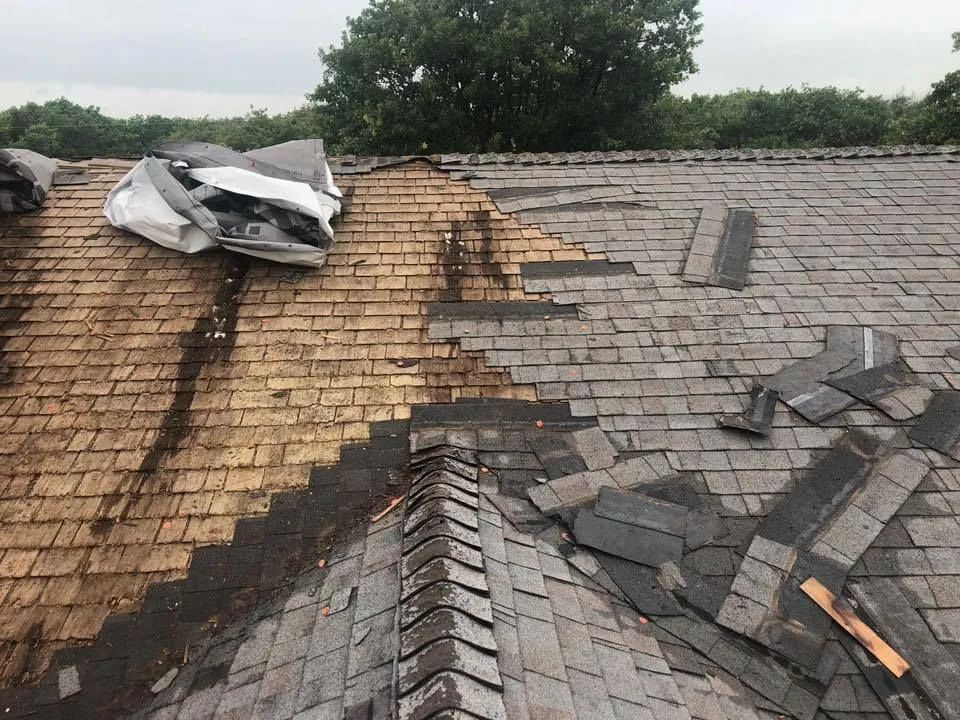
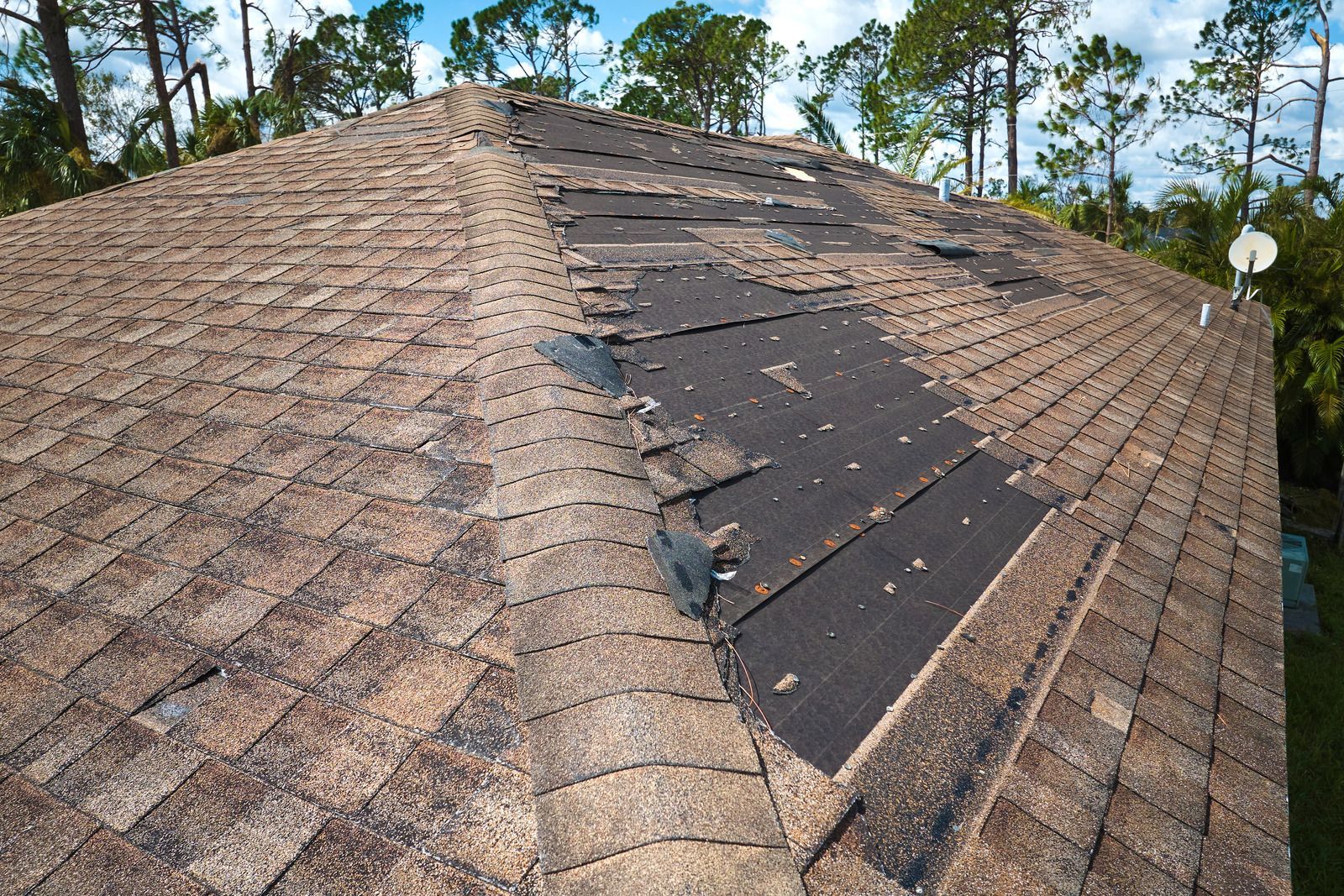
- Torn roofing sections
- Major leaks
- Structural instability
- Exposed underlayment
Emergency situations require rapid stabilization and professional evaluation to prevent escalating damage.
Roof Replacement Decisions Require Experience
Repeated repairs on aging roofs may no longer provide reliable protection. Roofing professionals evaluate:
- Overall material lifespan
- Ventilation performance
- Structural conditions
- Energy efficiency concerns
- Repair frequency
These evaluations help homeowners determine whether repairs or full replacement offer better long-term value.
Professional Work Improves Property Value
Well-maintained roofing systems support:
- Home resale value
- Buyer confidence
- Energy performance
- Insurance compliance
- Structural longevity
Professional repairs also improve the visual appearance and reliability of the property.
Dedicated Roofing Professionals Protecting Homes With Precision
DIY roof repairs can be useful for handling minor maintenance tasks like replacing a few shingles, clearing gutters, or sealing small gaps around roof penetrations. However, roofing systems are complex structures that require careful diagnosis, safe installation practices, and long-term moisture protection. Attempting repairs beyond basic maintenance can lead to structural damage, hidden leaks, safety hazards, and costly future repairs. Homeowners who understand the limits of DIY roofing work place themselves in a stronger position to protect both their property and personal safety. Knowing when to step back and involve experienced roofing professionals remains one of the most important parts of responsible home maintenance.
At Lopez & Sons Roofing LLC
in Chickasha, Oklahoma, we bring over 30
years of roofing experience to homeowners seeking dependable guidance, accurate inspections, and long-lasting roofing solutions. Our approach focuses on honest recommendations, detailed workmanship, and practical solutions tailored to each roofing situation. Our experience allows us to identify hidden roofing problems before they escalate into larger structural concerns. We understand the risks associated with improper roof repairs and work closely with homeowners to provide reliable solutions that protect homes for the long term.