How to Protect Your Home with the Right Residential Roof
Your home is more than just a place to live; it is an investment, a sanctuary, and a reflection of your lifestyle. Among the various structural elements of a house, the roof plays a critical role in protecting your family, belongings, and overall property value. Yet, many homeowners underestimate the importance of choosing the right residential roofing system. Selecting a roof that balances durability, weather resistance, and aesthetic appeal is vital to safeguarding your home against the challenges of daily wear and extreme weather conditions.
From harsh sun and heavy rain to strong winds and snow, a roof must withstand constant exposure to environmental stressors. Beyond protection, it contributes significantly to energy efficiency, curb appeal, and long-term maintenance costs. Understanding the types of roofing materials, proper installation techniques, and maintenance practices empowers homeowners to make informed decisions. In this comprehensive guide, we will explore how to protect your home with the right residential roof, discussing material options, common challenges, installation best practices, maintenance tips, and long-term benefits. By the end, you will gain a clear understanding of how to ensure your roof provides maximum protection, comfort, and value for years to come.
Understanding Residential Roofing Options
Common Roofing Materials
Choosing the right roofing material is the foundation of home protection. Each material offers unique benefits and potential drawbacks:
- Asphalt Shingles: The most popular choice due to affordability, ease of installation, and decent durability. They typically last 20–30 years and are available in various colors and styles.
- Metal Roofing: Known for longevity and resistance to extreme weather, metal roofs can last up to 50 years. They are energy-efficient and recyclable, but initial installation costs are higher.
- Tile and Slate: These materials provide excellent durability and aesthetic appeal. Clay or concrete tiles, as well as natural slate, resist fire and insects but require a stronger roof structure to support their weight.
- Wood Shingles and Shakes: Offering natural beauty, wood roofing requires regular maintenance to prevent rot, mold, and insect damage. Lifespan varies from 20–40 years depending on the type of wood.
- Synthetic Roofing: Engineered from rubber, plastic, or polymer composites, synthetic roofs mimic traditional materials while offering improved weather resistance and lower maintenance requirements.
Factors to Consider When Selecting Materials
Selecting a roofing material involves assessing multiple factors beyond cost. Climate plays a critical role; metal and tile perform well in heavy snow or rain, while asphalt and synthetic options may suit milder regions. Energy efficiency, fire resistance, aesthetic integration with your home, and long-term maintenance should also guide your choice. Homeowners who invest in higher-quality materials often realize savings in repairs, energy bills, and longevity.
Installation: The Cornerstone of Roof Protection
Professional vs. DIY Installation
While DIY installation may seem cost-effective, roofing is a complex task requiring specialized knowledge, tools, and safety measures. Improper installation can lead to leaks, reduced lifespan, and structural damage. Hiring certified roofing professionals ensures adherence to manufacturer guidelines, local building codes, and optimal performance.
Steps for a Successful Installation
- Assessment and Preparation: Inspect the underlying structure for damage, rot, or decay before laying new materials. Proper preparation prevents future problems.
- Underlayment Installation: This layer provides additional water resistance and protects the home in case the outer roofing material is compromised.
- Material Placement: Each material type requires specific installation techniques. Shingles must be aligned correctly, tiles must be secured to prevent slipping, and metal panels need proper sealing.
- Flashing and Ventilation: Properly installed flashing around chimneys, vents, and skylights prevents leaks. Adequate ventilation extends roof life and regulates indoor temperature.
- Final Inspection: A thorough inspection ensures the roof meets structural and safety standards, confirming a durable, protective installation.
Common Installation Challenges
Roof installation can encounter obstacles such as extreme weather, complex roof designs, and unexpected structural issues. Experienced contractors mitigate these challenges by planning meticulously, using high-quality materials, and implementing industry-standard practices.
Weather and Environmental Protection
Protecting Against Extreme Weather
A well-chosen and properly installed roof acts as a barrier against natural elements:
- Rain and Snow: Roofs must prevent water infiltration and manage snow loads. Materials like metal, tile, and slate provide excellent resistance, while asphalt requires proper underlayment and flashing.
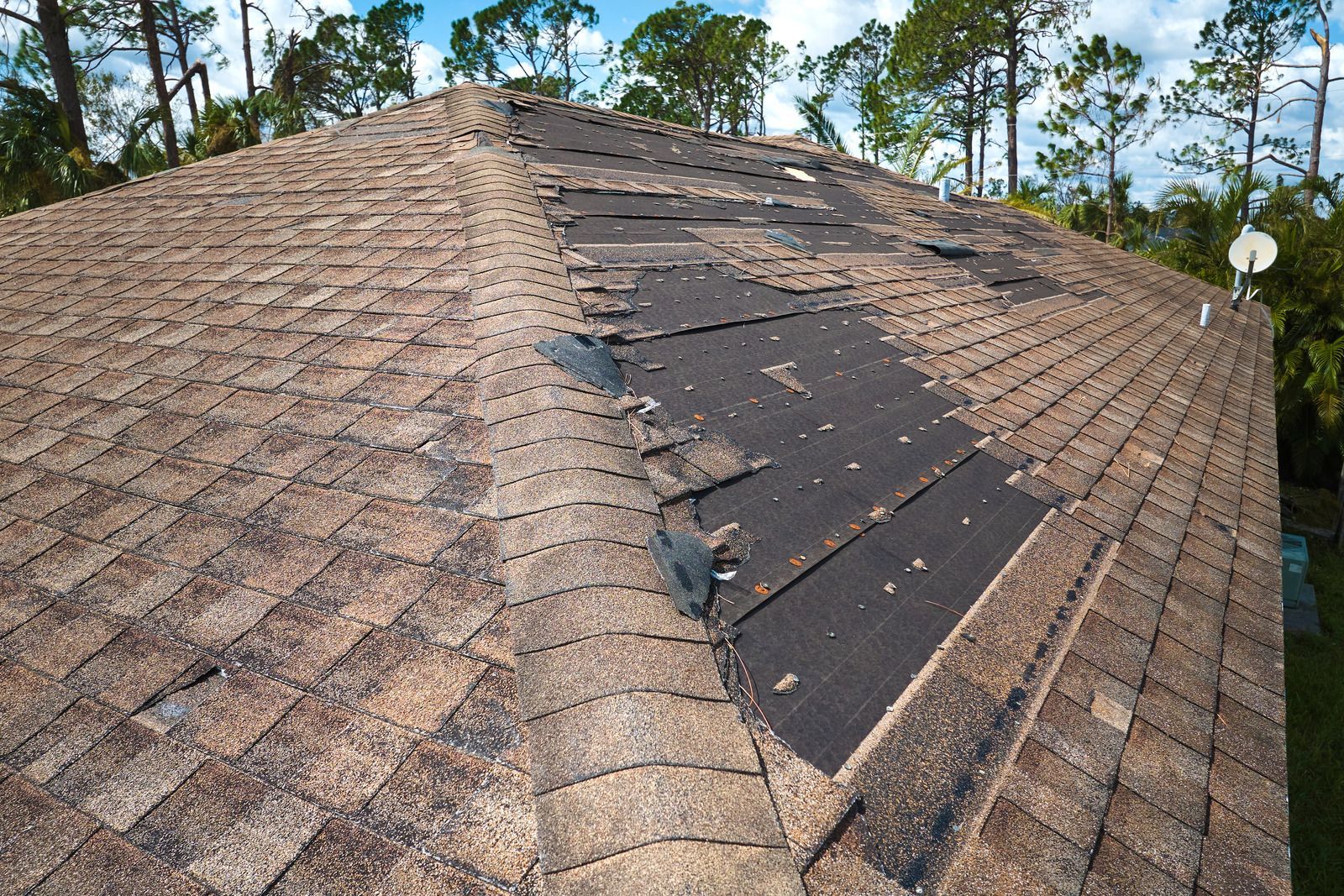
- Wind Resistance: High winds can lift shingles or tiles. Roofs installed with wind-rated fasteners and adhesive coatings provide superior protection.
- Sun and UV Exposure: Constant exposure to sunlight can degrade roofing materials over time. Light-colored and reflective materials reduce heat absorption, improving energy efficiency.
- Hail and Debris: Hail can crack tiles or dent metal, while falling branches pose puncture risks. Durable materials and impact-resistant designs mitigate these threats.
Environmental Considerations
Roofs also contribute to energy efficiency and environmental sustainability. Installing reflective materials, green roofs, or solar panels can lower energy costs while reducing your ecological footprint. Proper insulation and ventilation further enhance these benefits.
Maintenance: Prolonging Roof Life
Regular Inspections
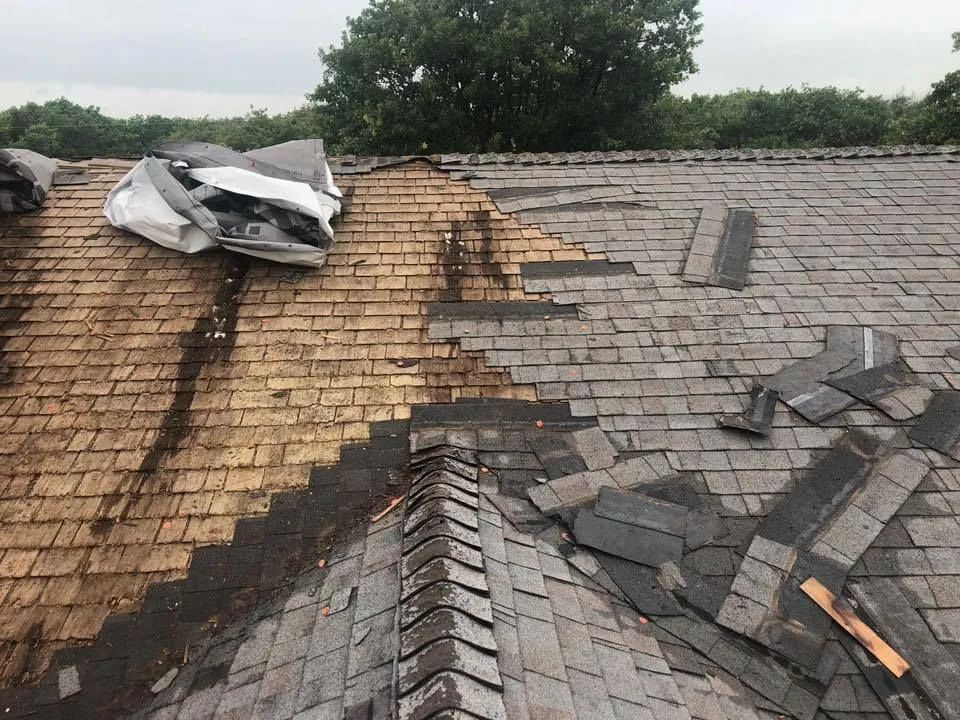
Routine inspections are essential to identify minor issues before they escalate into costly repairs. Inspect for loose or missing shingles, cracked tiles, rust spots, and damaged flashing. Seasonal inspections, especially after storms, ensure your roof remains in optimal condition.
Cleaning and Debris Management
Leaves, moss, and debris accumulation can trap moisture, leading to rot, mold, and leaks. Regular cleaning using safe methods prevents damage and maintains aesthetic appeal. Avoid high-pressure washing that could damage materials.
Repairs and Upgrades
Promptly addressing minor leaks, damaged shingles, or loose tiles prevents structural damage and extends the roof’s lifespan. Consider periodic upgrades like enhanced underlayment, new ventilation systems, or impact-resistant materials to improve protection.
Cost-Effective Maintenance Tips
- Trim overhanging branches to prevent debris accumulation.
- Ensure gutters and downspouts are clear to prevent water pooling.
- Apply protective coatings or sealants to extend material life.
- Schedule professional maintenance every 2–3 years for comprehensive evaluation.
Common Roofing Challenges and Solutions
Aging Roofs
Over time, all roofs experience natural wear and tear. Aging roofs become increasingly prone to leaks, weakened structures, and material degradation if not properly maintained. Regular inspections, timely repairs, and partial replacements can mitigate these risks without the need for a full replacement immediately, ensuring your home remains safe and structurally sound for years to come.
Pest Infestations
Roofs can attract pests like birds, squirrels, or insects, which often cause significant structural damage and compromise insulation. Sealing gaps, installing effective deterrents, and using pest-resistant materials help prevent infestations. Timely professional intervention ensures minimal disruption, protects your property, and prevents costly repairs down the line.
Water Damage and Leaks
Water Damage and Leaks
Water infiltration is one of the leading causes of roof-related problems, potentially damaging interior structures, insulation, and personal belongings. Proper flashing, underlayment, and thoughtful roof slope design prevent leaks from occurring. Prompt detection, repair, and professional intervention are essential to avoid long-term damage and maintain your home’s structural integrity.
Energy Inefficiency
Inefficient roofs increase energy consumption and utility costs, putting unnecessary strain on heating and cooling systems. Upgrading to reflective materials, adding quality insulation, or installing properly designed ventilation systems improves energy performance while maintaining comfort indoors. Energy-efficient roofs also contribute to environmental sustainability and help reduce your household’s carbon footprint effectively.
Long-Term Benefits of the Right Roof
Financial Advantages
Investing in a high-quality roof reduces long-term expenses significantly. Durable materials require fewer repairs, last longer, and enhance property resale value substantially. Energy-efficient roofs lower utility bills, making them cost-effective in the long run, while also providing peace of mind for homeowners regarding future maintenance costs.
Enhanced Safety and Comfort
A properly installed roof safeguards your home against leaks, structural damage, and extreme weather conditions, ensuring your family’s safety consistently. Insulated and well-ventilated roofs maintain stable indoor temperatures throughout the year, enhancing comfort while protecting your living environment from mold, moisture, and energy waste.
Curb Appeal and Property Value
A visually appealing roof enhances the overall aesthetics of your home, increasing marketability and boosting property value significantly. Choosing colors, textures, and materials that complement your home’s architectural design creates a cohesive and attractive exterior, making a strong impression on visitors or potential buyers.
Environmental Responsibility
Environmental Responsibility
Modern roofing options, such as metal, synthetic, or green roofs, reduce environmental impact through superior durability, recyclability, and energy efficiency. Sustainable roofing contributes to a healthier home environment, lowers energy usage, and provides broader ecological benefits for the community while supporting eco-conscious living practices.
Dependable Roofing Solutions Designed for Maximum Protection
Protecting your home begins with investing in the right residential roof. From selecting suitable materials and ensuring proper installation to performing regular maintenance and addressing challenges, every decision impacts the safety, longevity, and efficiency of your home. A durable roof safeguards against weather, pests, and structural damage while enhancing comfort, aesthetics, and property value. Understanding the nuances of roofing materials, installation techniques, and preventive maintenance equips homeowners with the knowledge to make informed decisions that deliver long-term benefits.
For homeowners in Chickasha, Oklahoma, Lopez & Sons Roofing LLCstands as a trusted authority in
residential roofing.
With 30
years of experience, our team provides professional assessments, expert installation, and ongoing maintenance to ensure your roof delivers maximum protection. We combine quality materials, skilled craftsmanship, and personalized service to safeguard your home against weather, wear, and environmental challenges. Choosing Lopez & Sons Roofing LLC
means partnering with a company committed to excellence, reliability, and long-lasting results, ensuring your home remains secure and comfortable for decades to come.