Roof Took a Hailstorm? How to Spot Hail Damage Before It Leaks
Quick Answer: To spot hail damage before it turns into a leak, start with the soft metal a storm marks first, dented gutters, downspouts, vents, and flashing, then work toward the shingles, looking for round bruises, missing granules, and cracks scattered randomly across the slope. The most dangerous damage is often the least visible: a bruised shingle can lose its watertight seal without leaving an obvious hole, so it looks fine from the ground and only leaks weeks or months later. If soft metal shows dings, treat the shingles as suspect and have the roof looked at up close before the next hard rain finds the weak spots.
The storm rolled through in ten minutes. You heard it hammering the roof and the windows, saw the ice bouncing off the driveway, and then the sun came back out like nothing happened. You walk the yard, glance up at the roof, and it looks the same as it did yesterday. No holes, no missing sections, nothing dramatic. So you tell yourself the house got lucky.
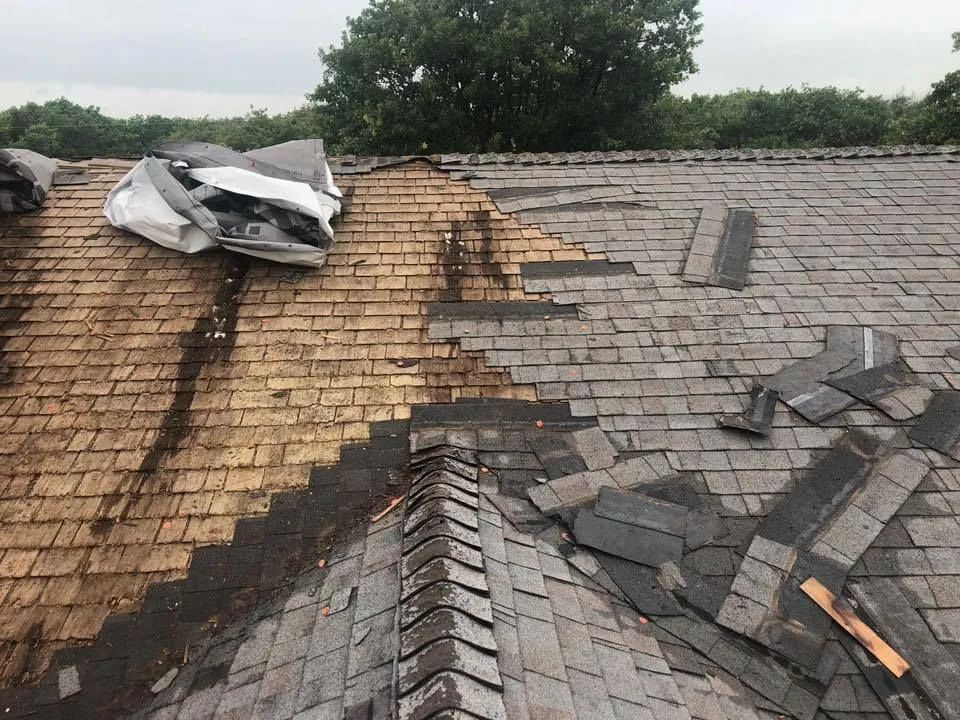
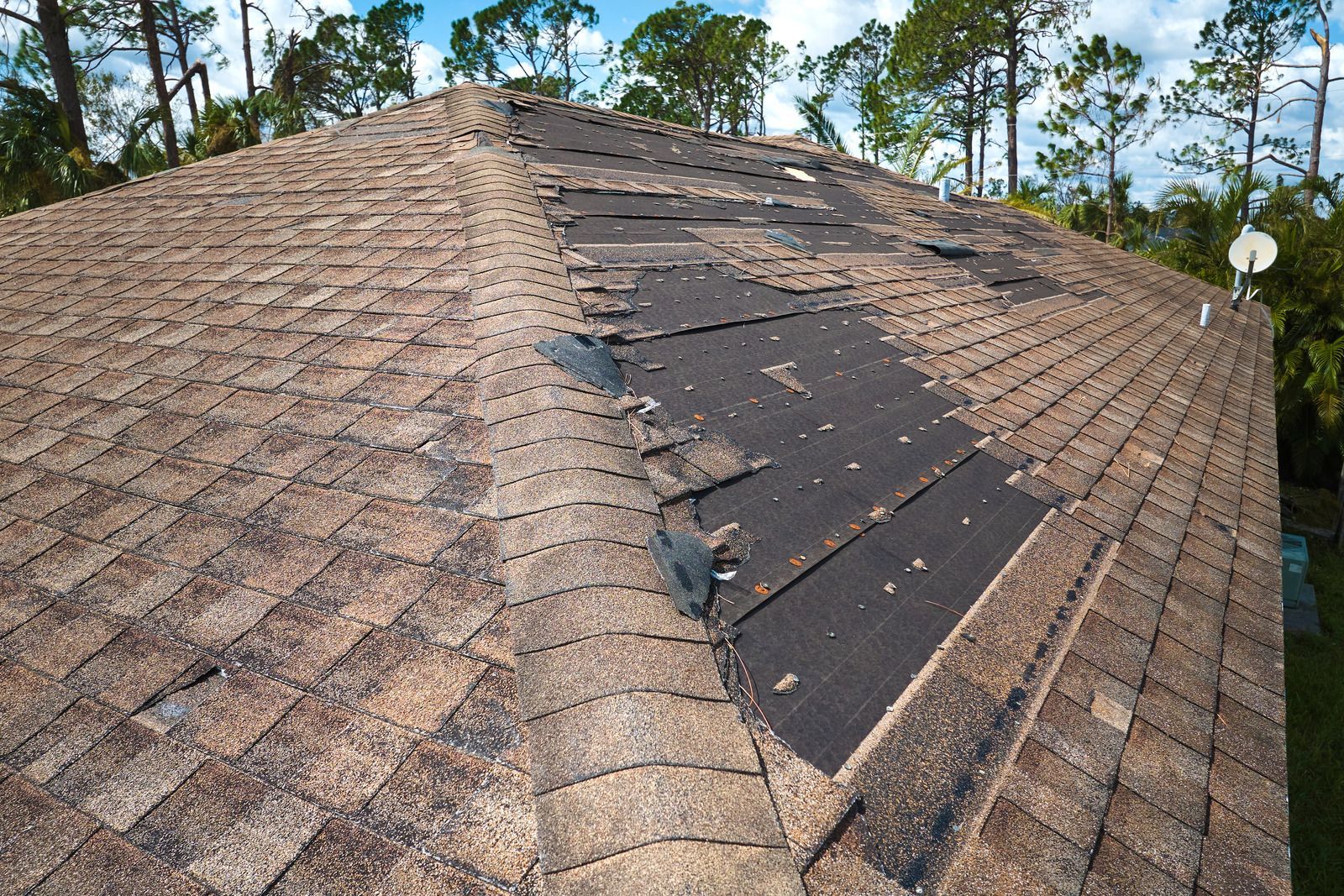
That is exactly how a lot of hail damage hides. Across central and southwestern Oklahoma, sitting in the heart of the country's hail belt, some of the worst roof damage we see never looked like much from the ground. Hail does not always punch through a roof. More often it bruises it, knocks the protective surface off the shingles, and cracks the seals that keep water out, and none of that shows up until a hard rain works its way through. Here is how to read your roof the way a roofer does, so you catch the damage while it is still a repair instead of a leak.
What Hail Actually Does to a Roof
Hail damage is not really about holes. It is about the surface of your shingles and the seals that hold the whole system together.
An asphalt shingle is protected by a layer of ceramic granules, the sandpaper-like coating you see on the surface. Those granules are not just for color. They shield the asphalt underneath from the sun's ultraviolet rays, from the constant temperature swings between a hot afternoon and a cool night, and from moisture. When a hailstone hits hard enough, it knocks those granules loose and bruises the soft asphalt mat beneath, the same way a fingertip presses a dent into a firm apple. The shingle may not tear, but that spot has been compromised. The bruise breaks the watertight seal, and the bare asphalt left behind starts aging fast under the Oklahoma sun.
Size matters here. Hail the size of a quarter, about one inch across, is the point at which it is officially considered severe, and stones that size or larger are the ones that reliably damage a roof. Golf-ball hail runs close to one and three-quarter inches, and the bigger the stone, the faster and harder it lands. Large hail can come down at highway speeds, and when a storm's winds drive it in sideways, it hammers the sides of the house too, not just the top. That is why a single storm can bruise your shingles, dent your gutters, and crack your siding all at once.
Start Where the Damage Shows First
Soft metal is your early-warning system. It dents when shingles only bruise, so it tells you a storm hit hard enough to worry about the rest of the roof.
Gutters and Downspouts
Walk the perimeter and inspect gutters and downspouts for dents, dimples, or pockmarks left by hail. Damage to these metal components often signals the roof above absorbed the same impact and deserves a closer inspection by professionals.
Roof Vents and Pipe Boots
Inspect roof vents, pipe boots, and vent caps for cracks, dents, or distortion. Hail can split rubber boots and damage plastic covers, creating hidden openings where rainwater enters and causes gradual leaks inside the home.
Flashing and Metal Edges
Examine flashing around chimneys, skylights, roof valleys, and drip edges for dents, bends, or loose sections. Even minor hail damage can let water slip beneath the roofing system and create hidden moisture problems over time.
The Rest of the Property
Look at siding, fences, air conditioning fins, garage doors, and mailboxes for fresh dents or chipped finishes. Visible hail damage around the property often confirms the roof experienced the same storm and should be professionally inspected.
Reading the Shingles Themselves
Once the soft metal tells you a storm hit with force, the shingles are where the real risk lives, and they are the hardest part to read from the ground.
Bruises and Soft Spots
Look for dark, round bruises where hail knocked away protective granules. These spots often feel soft when gently pressed, indicating hidden damage beneath the surface that weakens the shingle and increases the chance of future leaks.
Granule Loss
Inspect for bald patches or shiny areas where asphalt is exposed. Hail creates random granule loss across the roof, reducing UV protection and shortening the lifespan of shingles by leaving them vulnerable to weathering and moisture.
Cracks and Splits
Check shingles for visible cracks, splits, or impact marks caused by larger hailstones. Damaged shingles cannot shed water effectively, allowing moisture to penetrate the roof system and increasing the risk of leaks and structural deterioration.
Granules in the Gutters
Inspect gutters and downspouts for excessive black granules washed from the roof after a storm. A buildup of these protective particles often indicates hail damage, even when shingle damage is difficult to see from ground level.
The pattern is the tell. Storm damage from hail lands in a random scatter across the whole slope and on every direction the roof faces. Damage that runs in straight lines, clusters on one worn area, or only shows up on the oldest section is usually age and wear, not the storm. Sorting those two apart is a big part of what a roofer is actually doing up on the roof.
Tip:
You can do a safe first pass without ever leaving the ground. Use binoculars to scan each slope for bald spots and cracks, walk the gutters for dents and granule buildup, and step into the attic on a bright day to look for pinpricks of daylight or fresh water stains on the underside of the decking. Note which direction the storm came from, since the slopes facing the wind usually take the worst of it. That gives whoever inspects the roof a head start on where to look.
Functional Damage Versus Cosmetic Wear
Not every mark from a storm threatens the house, and knowing the difference is what keeps you from either overreacting or ignoring a real problem.
Roofers sort hail damage into two buckets. Functional damage is anything that reduces the roof's ability to shed water or shortens how long it will last, a broken seal, a bruise that has exposed the asphalt, a cracked shingle, a split pipe boot. Cosmetic damage only affects appearance, like a shallow ding in a sturdy metal cap that does not change how the roof performs. The trouble is that on asphalt shingles, a lot of what looks cosmetic is actually functional. Missing granules are a good example. It is tempting to see it as a paint-scratch problem, but those granules were doing a job, shielding the asphalt from UV and weather, and once they are gone the shingle ages faster and its lifespan drops. That is functional damage wearing a cosmetic disguise.
This is exactly why guessing from the ground is risky. A shingle that looks intact can be functionally compromised, and a scary-looking scuff can be harmless. The only reliable way to tell is a close, hands-on look by someone who knows how each material fails.
How a Roofer Confirms It
Because bruises and broken seals do not show from the driveway, a real hail inspection happens up close and by hand.
Up on the roof, the process is methodical. A roofer works slope by slope, feeling for soft bruises, checking each field of shingles for granule loss and cracks, and marking suspect impacts with chalk so the pattern becomes clear. The metal, the vents, the flashing, and the valleys all get checked for dings and displacement. Inside, the attic gets a look for daylight, damp spots, and stains on the underside of the decking. Put together, that tells the real story: whether the storm caused functional damage that needs attention, whether what you are seeing is ordinary wear, and exactly where water would get in if it were left alone. That is a far more useful answer than squinting up from the yard and hoping the roof got lucky.
Frequently Asked Questions
How soon after a hailstorm should I check my roof?
As soon as it is safe to look. Do a ground-level and attic check within a day or two, while the storm is still fresh and you can recall which direction the hail came from.
Can hail damage my roof if I do not see any holes?
Yes, and that is the most common way it happens. Hail rarely punches a clean hole in asphalt shingles. Instead it bruises the mat and strips protective granules, breaking the seal without leaving any opening.
What size hail does it take to damage a roof?
Hail about one inch across, roughly the size of a quarter, is considered severe, and stones that large reliably bruise shingles and dent metal. Smaller stones can still harm older or worn roofs when wind-driven.
Are granules in my gutters really a problem?
They can be an important clue. Shingles shed a few granules naturally, but a sudden load of black, sandy grit in the gutters right after a storm points to hail stripping the protective surface away.
How can I tell hail damage from normal wear and tear?
The pattern is the biggest giveaway. Hail damage scatters randomly across the whole slope and appears on more than one side, matched by dents on gutters and vents. Ordinary wear runs in tidy lines instead.
Should I get on the roof to look for damage myself?
It is not a good idea, especially after a storm. Wet, hail-weakened shingles are slippery and can give way, so walking the roof risks a fall and grinds off more granules. Inspect from the ground.
Catch It on the Surface, Not the Ceiling
A roof that looks untouched after a hailstorm is not proof it came through clean. The damage that matters most, broken seals, bruised mats, stripped granules, tends to hide in plain sight and wait for a hard rain to reveal itself. If you start with the soft metal, read the shingles for random bruising and granule loss, check the gutters for grit, and step into the attic, you can catch the trouble while it is still on the surface. The goal is simple: find it as a repair, on the shingles, before it becomes a leak on your ceiling and wet wood underneath.
Schedule a
hail inspection
— Give your roof the close, hands-on look the ground can never provide, so a bruised shingle or broken seal gets fixed before it soaks the decking and your ceiling. Our crew works the roof slope by slope, feeling for soft bruises, mapping granule loss and cracks, and checking every vent, valley, and length of flashing, then sorting real storm damage from ordinary wear so you know exactly where you stand. Backed by 30
years of experience serving Chickasha, Oklahoma, Lopez & Sons Roofing LLC
is a family-owned, BBB-accredited contractor that stands behind its labor and material warranties. Reach out to book your inspection before the next storm rolls through.