Transform Your Home’s Exterior with Professional Siding Installation
You set the groceries down, glance up at the front of your house, and really see it for the first time in months. The siding has faded into a chalky, uneven gray. A panel near the bottom has warped, another has cracked, and one section by the corner is pulling away from the wall. It looked fine a few years ago. Now it makes the whole house look tired no matter how clean the yard is or how new the front door looks.
Here is the most important thing to understand before you call anyone or settle on a product. New siding is one of the highest impact upgrades you can make to a home, but the result depends far more on how it is installed than on which brand sits on the box. A premium product fastened wrong will fail faster than a midrange product installed correctly. Most of the siding trouble we find on inspections is not material failure at all. It traces back to rushed installation, missing moisture protection behind the panels, or fasteners driven too tight. Get the installation right and good siding will protect and beautify your home for decades.
How to Tell It Is Time for New Siding
The clearest sign is movement and moisture, not just faded color. If you press on a panel and it feels soft, spongy, or hollow, water has likely worked its way behind it. Watch for warping or buckling along long runs, cracks that spread instead of staying put, and gaps opening at seams and corners. Inside the home, peeling paint or wallpaper on exterior walls often points to siding that is letting moisture through. Bubbling, blistering, or a powdery residue on the surface tells you the material is breaking down. When repairs start clustering in the same areas season after season, you are usually paying to patch a system that is ready to be replaced.
Choosing the Right Siding Material
The right material depends on the look you want and how much upkeep you are willing to do. Vinyl stays the most common choice because it is light, easy to maintain, and comes in a wide range of colors that hold up well. It can grow brittle in deep cold and warp near intense heat, but installed with proper expansion room it commonly performs for 20 to 40 years.
Fiber cement is a dense blend of cement and cellulose that resists fire, rot, insects, and impact. It holds paint beautifully and stands up to wind, which is why we recommend it often. Because it is heavy and needs precise cutting, the install quality matters even more, and a clean installation can last 30 to 50 years.
Engineered wood gives you the warmth of real wood at a lighter weight, treated to resist moisture and pests. It needs sound sealing and occasional repainting to reach its full 20 to 30 year range. Steel and aluminum round out the options for homeowners who want a durable, modern surface that shrugs off fire and pests, though large hail can dent it.
Why Installation Quality Decides Everything
A siding job is a system, not just panels on a wall. The first layer that matters sits where you cannot see it. A continuous moisture barrier behind the siding gives any water that sneaks past the surface a path to drain instead of soaking into the sheathing. Proper flashing around every window, door, and penetration directs water out and away rather than into the wall cavity.
Fastening is where most failures begin. Siding expands and contracts as temperatures swing, so fasteners need to hold the panel in place while still letting it move. Driven too tight, the panel cannot breathe and it buckles, cracks, or pops loose in the next strong gust. We leave the correct expansion gaps, set starter strips dead level, and seal the right joints while leaving the right ones open. When this groundwork is done well, the finished surface looks flawless and keeps performing long after a rushed job would have started failing.
Mistakes That Shorten the Life of New Siding
Most siding mistakes come from reasonable instincts that backfire. Nailing panels tight feels secure, but it traps the material and leads to buckling and cracking once the seasons turn. Installing new siding straight over old material seems efficient, yet it hides rot and uneven walls and robs the new panels of a flat, sound base. Skipping or shortcutting the moisture barrier saves an afternoon and invites years of slow water damage you will not notice until the sheathing is soft. Reusing tired flashing around windows is another quiet culprit, since worn flashing is often the exact spot water was already getting in. None of these are careless errors. They are simply steps that are easy to underestimate until you have seen what happens a few winters later.
How Weather Shapes the Way Siding Ages
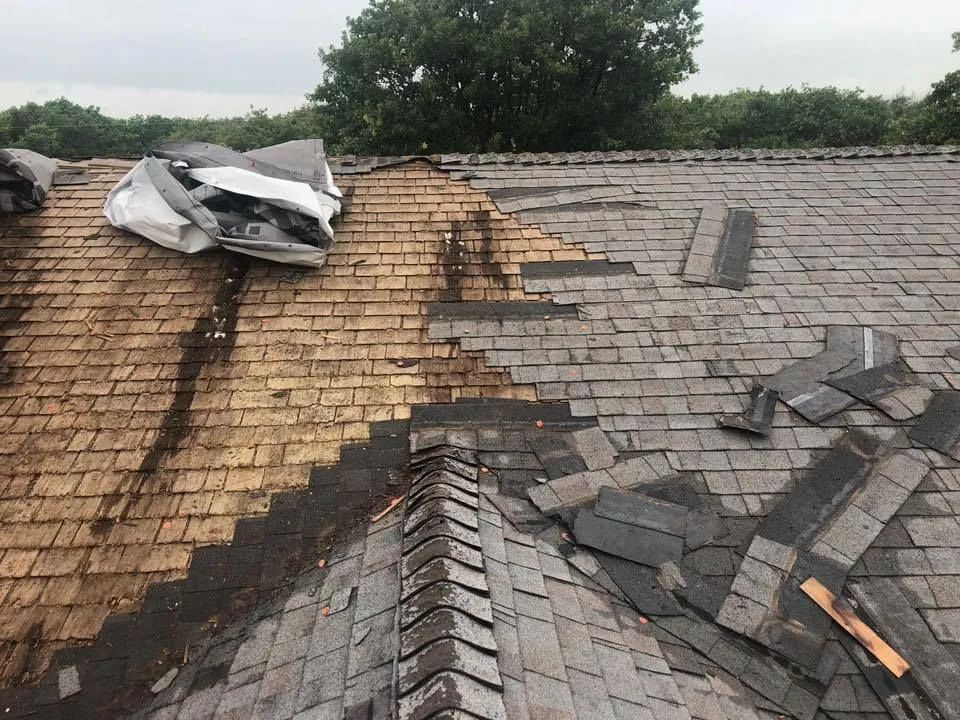
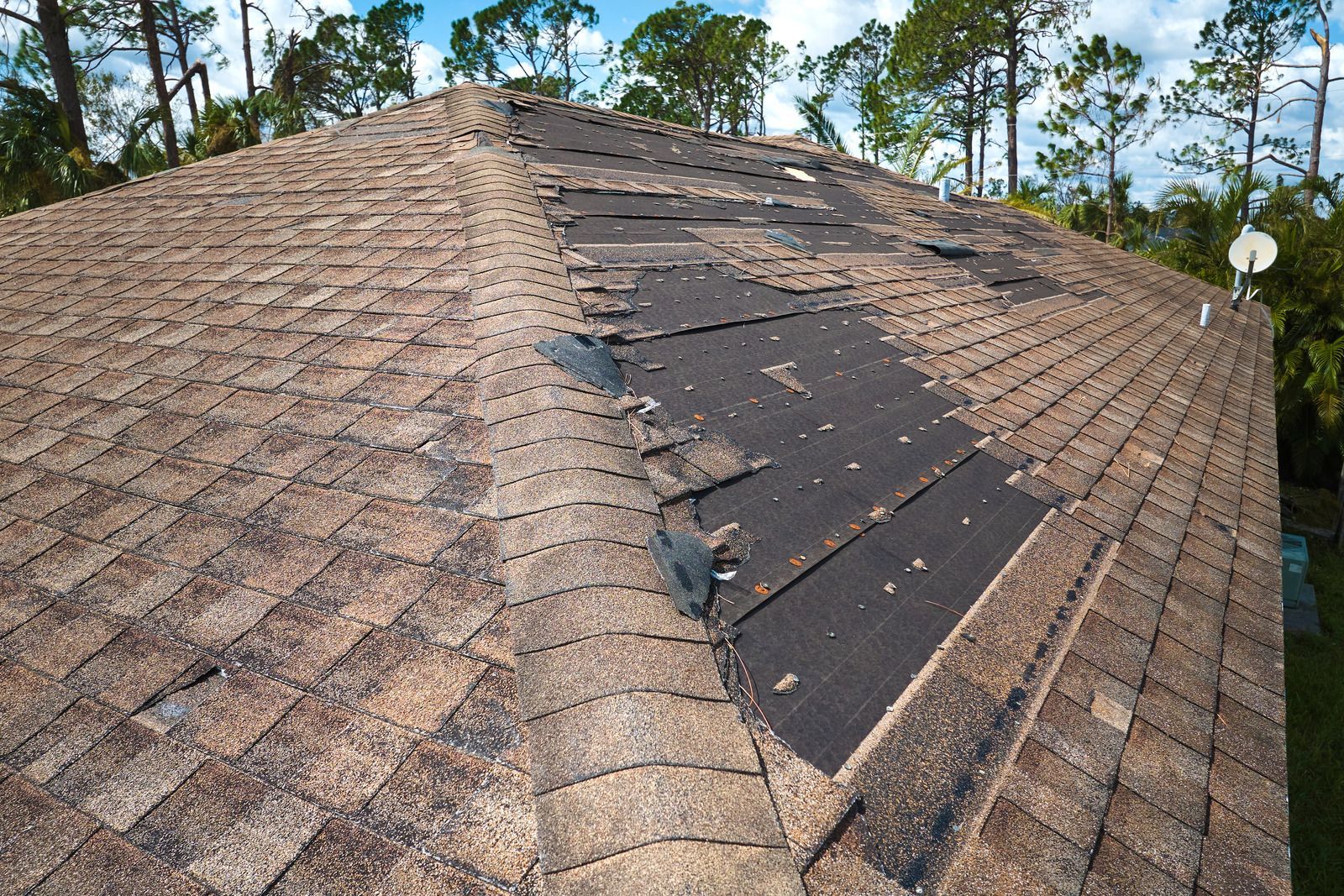
Siding lives or dies by how it is matched to the climate around it. Strong, sustained wind finds any panel that was not fastened correctly and works it loose over time. Hail dents metal, cracks aging vinyl, and chips paint, which opens the door to moisture. Long stretches of intense sun fade color and make some materials brittle, while wide temperature swings drive constant expansion and contraction, the exact reason expansion gaps are not optional. Wind driven rain probes every seam and corner for a way in. In regions that face all of these in a single year, the difference between a careful installation and a quick one shows up far sooner than the national average.
Keeping Your New Siding Looking New
Good siding rewards light, steady upkeep. Walk the exterior every month or so and look for loose panels, cracks, or new gaps, especially after a storm. Once a year, rinse the surface to clear dirt and chalky buildup, check the caulk and seals around windows and doors, and reseal anything that has pulled away. Keep shrubs, vines, and sprinklers from spraying or rubbing directly against the wall, since trapped moisture is one of the most common reasons siding fails early. Engineered wood benefits from a fresh coat of paint as the finish ages. Catching a small soft spot or a single loose panel early keeps a minor fix from turning into a wall repair.
Knowing When Professional Roofing Services Are the Best Choice
How long does a full siding installation take?
A typical single family home takes a few days to about a week from start to finish. The timeline depends on the size of the home, the material you choose, and how much repair the sheathing needs once the old siding comes off. Weather can stretch it out, and added trim work or tricky corners will add time as well.
Can I install new siding over my old siding?
Sometimes, but we usually advise against it. Covering old siding hides rot, moisture, and uneven walls underneath, problems that only grow worse once they are sealed out of sight. Removing the old material first lets us inspect the sheathing, add a proper moisture barrier, and give your new siding the flat, sound base it needs to perform for many years.
Which siding lasts the longest?
Fiber cement and quality metal tend to last longest, often 30 to 50 years when installed correctly. Vinyl and engineered wood perform well too, commonly reaching 20 to 40 years, though lifespan for those leans heavily on proper installation and steady upkeep. Whatever material you choose, the care behind the install shapes how long it truly holds up over time.
Will new siding really improve my home's value?
Yes. Fresh, well installed siding is one of the first things buyers and neighbors notice when they look at a home. Beyond the curb appeal, it seals out moisture and protects the structure underneath, which keeps a house easier to maintain and far more appealing when the time finally comes to sell. Few other exterior upgrades return value as reliably.
Is siding a safe project to do myself?
Small repairs can be safe enough for a careful homeowner. A full installation rarely is. Working at height, cutting fiber cement, flashing windows correctly, and managing expansion all carry real risk to both you and the wall behind it. When you are unsure whether a job is within reach, call us before water finds its way behind the new panels.
Experienced Hands Protecting Your Home From the Outside
The principle worth remembering is simple. Siding installation protects your home from the outside in, so the quality of the installation matters more than the label on the box. Across this part of Oklahoma, high winds, sudden hailstorms, and long stretches of summer heat put siding under more stress than most of the country sees, which means cut corners surface fast here. At Lopez & Sons Roofing LLC, we have spent 30
years installing and protecting exteriors for homeowners across Chickasha, Oklahoma, and the surrounding communities. When you want durable home siding installation, reliable exterior siding replacement, and
professional siding contractors
who build exteriors to withstand Oklahoma weather while enhancing curb appeal, reach out and we will walk the project with you from the first panel.