How To Identify Signs Of Shingle Roof Damage
Shingle roofs offer reliable protection for homes. They also enhance the look of your property. However, over time, roofs can face wear and tear. Weather conditions, age, and accidents often cause damage. Ignoring these issues can lead to costly repairs. It is crucial to catch problems early to avoid further damage.
Many homeowners overlook small warning signs. It results in major problems later. Learning to recognize roof damage is important. With the right knowledge, you can keep your home safe. In this guide, you will learn the key signs to watch for.
1. Missing or Broken Shingles
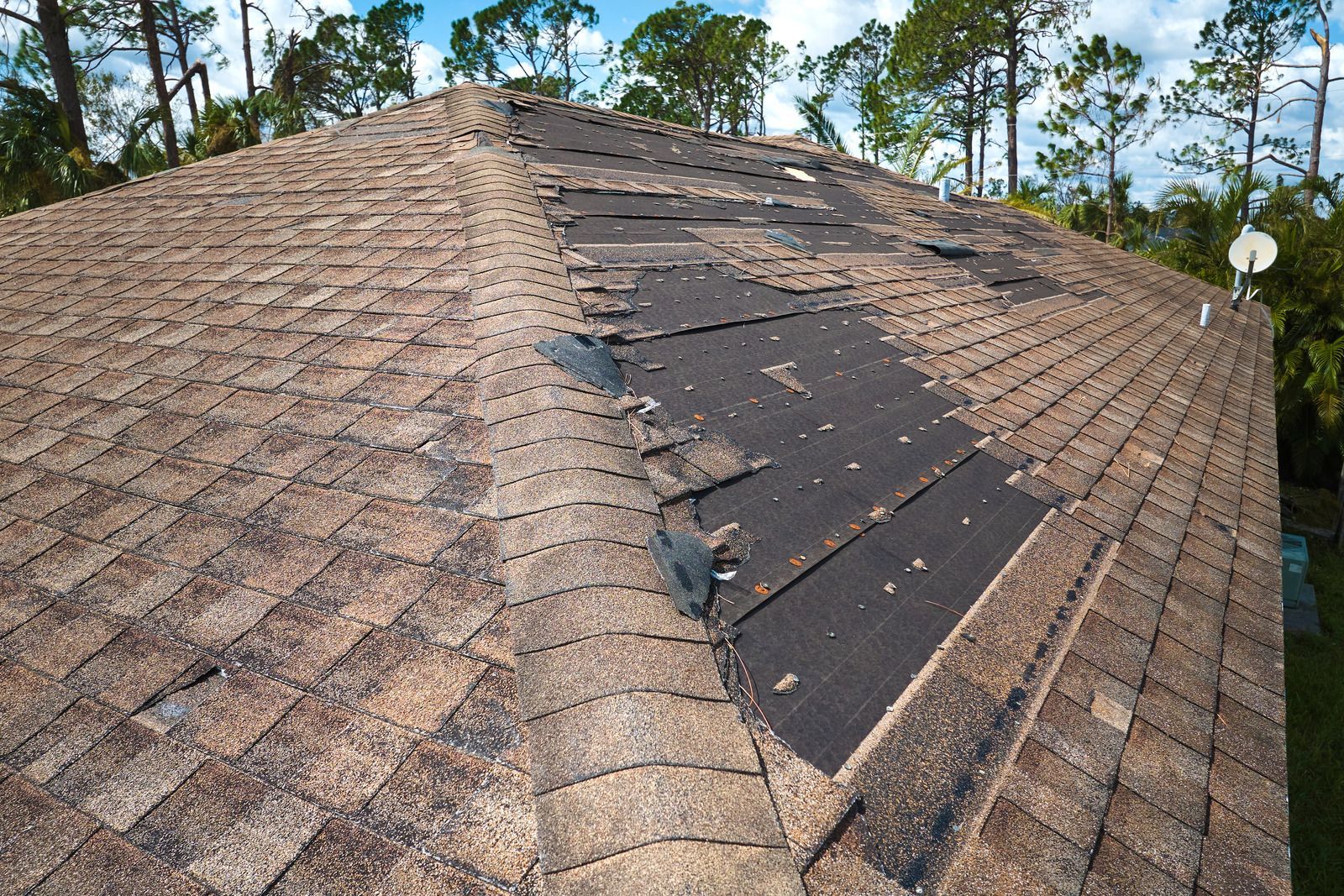
One of the clearest signs of damage is missing shingles. Strong winds and storms often cause shingles to loosen. You might also notice broken shingles scattered on the ground. When shingles go missing, your roof becomes exposed. It allows water to seep in, leading to leaks. Check your roof regularly for gaps or broken pieces.
2. Curling or Buckling Shingles
Shingles that curl or buckle are a sign of aging or water damage. Curled edges allow moisture to enter, which can harm the structure underneath. Heat from the sun often causes this problem. It weakens the material over time. When you see curled shingles, it’s time to take action. Prompt attention can prevent further damage.
3. Granules in Gutters
Granules on shingles protect your roof from the sun. Over time, they can wear away. If you find granules in your gutters, your shingles may be deteriorating. It often happens with older roofs. Without these granules, shingles lose their protective layer, which makes your roof more vulnerable to damage.
4. Water Leaks Inside the Home
Water stains on your ceiling or walls signal trouble. Leaks often occur when the roof has cracks or gaps. Small leaks might not seem serious at first. However, they can grow quickly and cause structural damage. Check your attic for dampness or water trails. Early detection is key to avoiding major repairs.
5. Sagging Roof
A sagging roof is a sign of serious structural problems. It often happens when water accumulates over time. The added weight weakens the roof’s framework. A sagging roof needs immediate attention. Ignoring it can lead to a roof collapse.
6. Visible Cracks or Holes
Cracks or holes in your shingles are easy to spot. These usually happen due to impact or severe weather. Even small holes can let water in. Over time, they can grow larger. Inspect your roof closely for any openings.
7. Moss or Algae Growth
Moss and algae often grow on roofs in damp areas. They trap moisture, which can weaken shingles. Moss also gives your roof a worn look. Removing it quickly is essential. It will keep your roof dry and strong.
8. Increased Energy Bills
Higher energy bills may point to roof damage. Damaged shingles affect insulation. Heat or cool air escapes, making your system work harder. If your energy costs rise suddenly, inspect your roof. A damaged roof wastes energy.
9. Age of the Roof
Roofs have a limited lifespan. Most shingle roofs last around 20–30 years. If your roof is older, it might need replacement. Aging shingles lose their effectiveness over time. Even if there are no visible issues, an old roof may still be vulnerable.
Identifying roof damage early saves money and protects your home. Regular inspections can help you spot warning signs. Pay attention to missing or curled shingles. Look out for leaks and sagging areas. Clear moss and check for granules in gutters. Addressing these problems early keeps your roof in good condition.