Siding Installation: How Pros Ensure Successful Installation
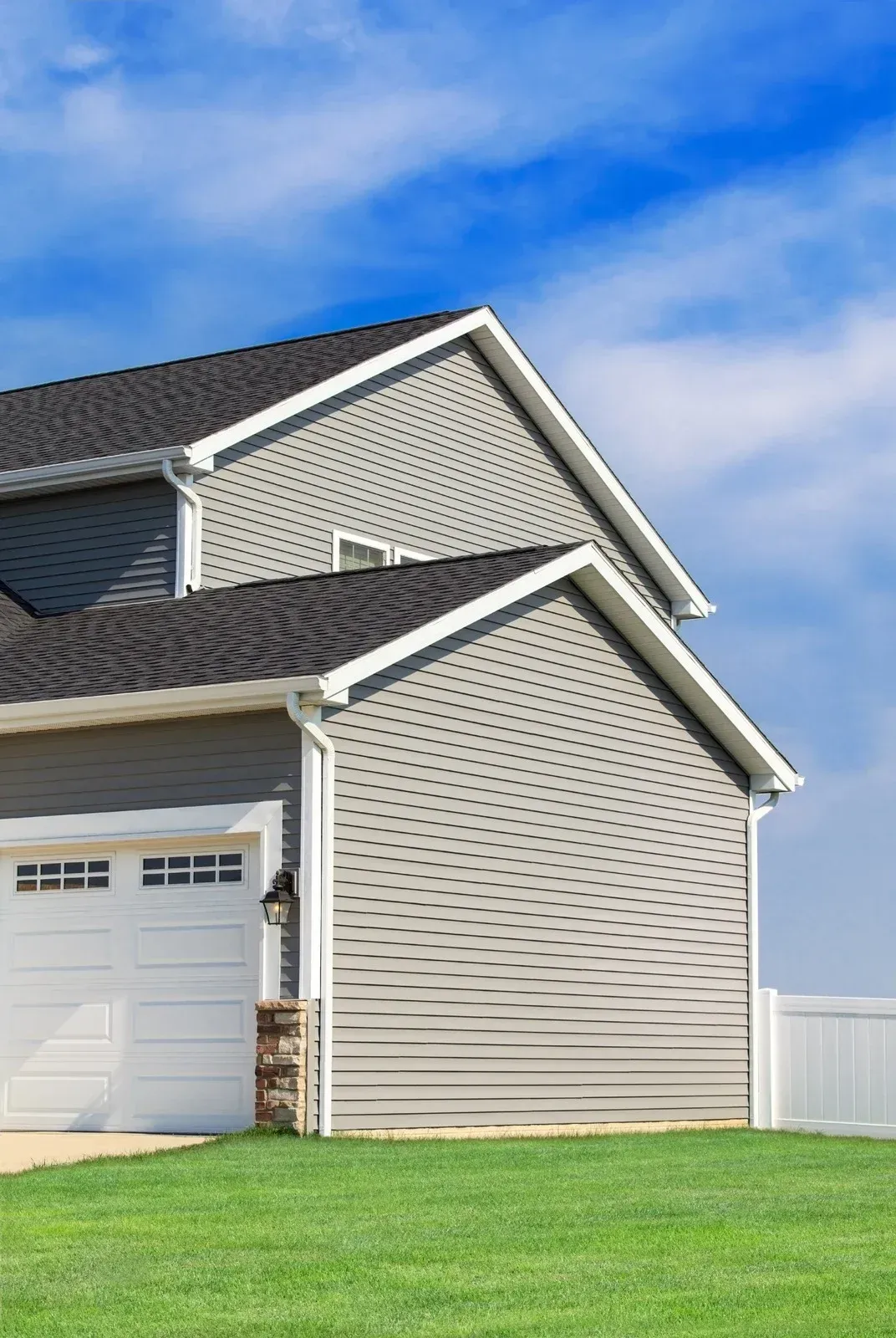
Siding plays a key role in protecting your home from the elements while boosting its curb appeal. When installed properly, it can last for many years, helping to prevent water damage, improve energy efficiency, and enhance your home’s overall look. Hiring professionals for siding installation is the best way to make sure that the job is done right. They have the experience and knowledge to complete the work smoothly and effectively.
Planning and Preparation
Before any siding installation begins, professionals take the time to plan the project carefully. They start by measuring your home’s exterior to figure out how much material will be needed. It helps prevent waste and keeps the project on track. They also assess the condition of the walls.
If your home has old siding, it may need to be removed before the new siding is installed. Any damage to the walls, like rotting wood or mold, is addressed before installation begins. Proper preparation helps avoid delays and ensures a clean start for the new siding.
Choosing the Right Material
There are different types of siding materials to choose from, and selecting the right one is important. Common options include vinyl, wood, fiber cement, and metal. Each material has its own advantages depending on your home’s needs and your local climate.
Vinyl is low-maintenance and affordable, while fiber cement is durable and works well in harsh weather conditions. Wood offers a natural aesthetic but needs more upkeep. Professionals guide you in choosing the best material based on factors like durability, style, and budget. They help you select a siding that will not only protect your home but also enhance its appearance.
Installation Process
Once the material is chosen, professionals follow a detailed installation process to get the job done correctly. First, they place a weather-resistant barrier over the walls. This layer helps to prevent moisture from seeping into your home. Next, they begin installing the siding, carefully attaching each piece.
The process varies depending on the material. For example, vinyl siding needs room to expand and contract with temperature changes, so it is installed loosely to accommodate this movement. Wood siding requires extra care to keep it from absorbing water and causing damage. Professionals use the proper installation methods to fit the material securely and safely, ensuring that it will last for years.
Finishing Touches
Once the siding is in place, the job isn’t finished just yet. The final step involves taking care of all the small details. Professionals seal the edges, corners, and seams of the siding to prevent water from getting behind it. It helps protect the walls from moisture, which could lead to mold or rot. They also seal around windows, doors, and vents to block drafts and leaks. These finishing touches are vital so that your siding functions properly and lasts as long as possible.
Professional siding installation involves more than just putting up panels. It’s a careful process that requires proper planning, material selection, precise installation, and attention to detail. By hiring experts for the job, you get the benefit of their experience and knowledge, ensuring that your siding is installed correctly. With professional installation, your home is in good hands, and you can enjoy the results for years to come.