The Ultimate Guide to Understanding Different Roofing Materials
Choosing the right roofing material is one of the most critical decisions homeowners and property managers face. A roof is not just a protective layer over a building; it directly impacts energy efficiency, structural integrity, and even the overall aesthetic appeal of a property. With a variety of materials available in the market, from traditional asphalt shingles to modern metal roofing, understanding the strengths, weaknesses, and suitability of each option is essential. Making an uninformed choice can lead to costly repairs, frequent maintenance, and even potential safety risks over time.
The roofing industry has evolved significantly over the past few decades, offering innovative materials that cater to different climates, budgets, and architectural styles. Each roofing option comes with unique advantages, durability factors, and installation considerations. For homeowners, contractors, and property managers alike, knowing these differences is crucial to making an informed investment. This guide provides a comprehensive overview of the most common roofing materials, their practical applications, benefits, challenges, and expert recommendations. By the end, you’ll have the knowledge needed to select the right roof for your home or commercial property, ensuring both protection and long-term value.
1. Asphalt Shingles – The Standard Choice
Overview and Popularity
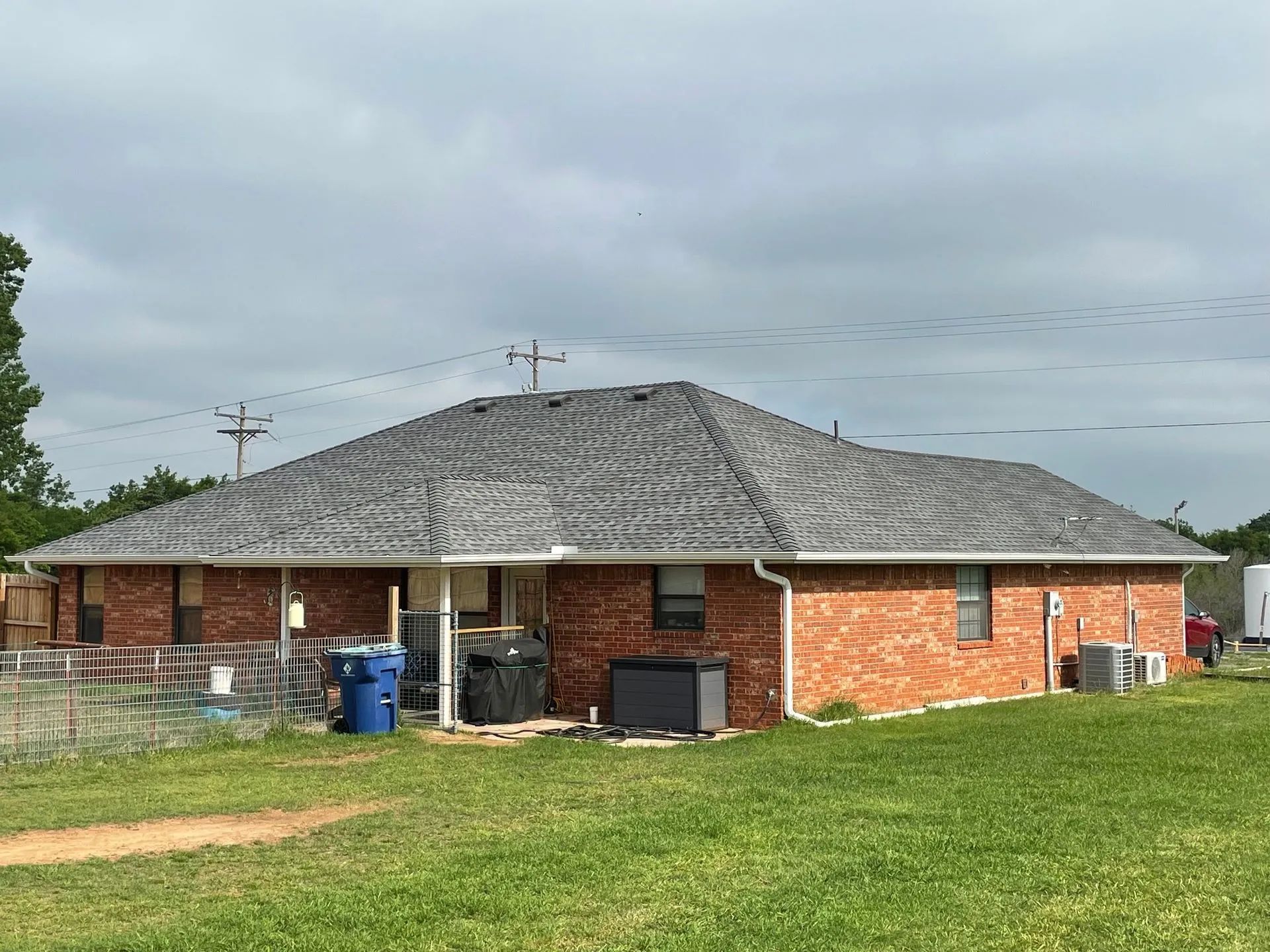
Asphalt shingles are the most widely used roofing material in North America, accounting for over 70% of residential installations. Their popularity stems from affordability, ease of installation, and versatility across various architectural styles. They are made from a fiberglass base coated with asphalt and mineral granules that enhance durability and protect against UV rays.
Benefits
- Cost-Effective: Asphalt shingles provide a balance of price and performance, making them an ideal choice for homeowners on a budget.
- Variety of Styles: Available in multiple colors and textures, they can complement a wide range of home designs.
- Ease of Installation: Roofers can install asphalt shingles relatively quickly, reducing labor costs and project timelines.
Challenges
- Lifespan: Typically, asphalt shingles last 20–30 years, shorter than other materials like metal or tile.
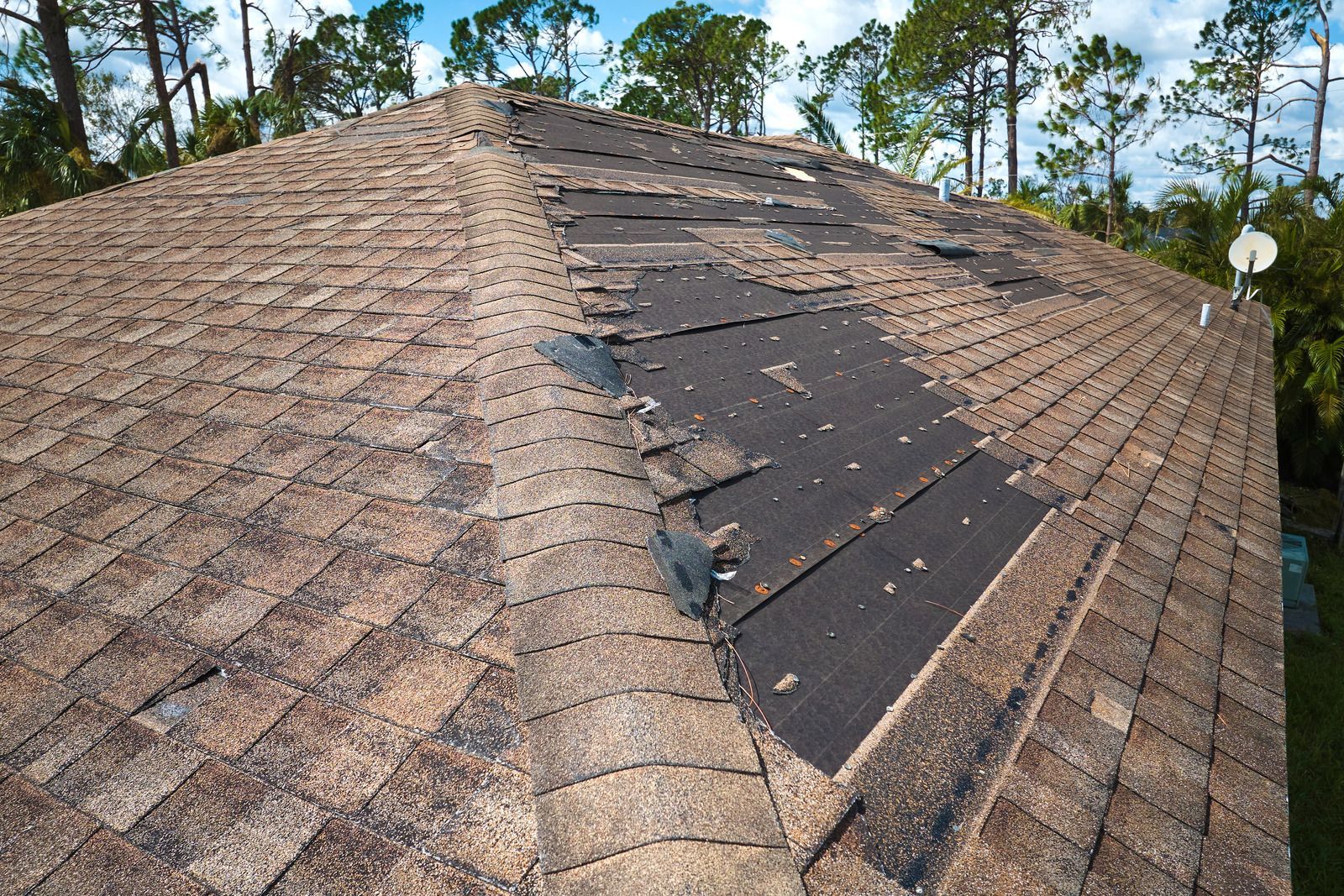
- Weather Sensitivity: Extreme temperatures and high winds can damage shingles, leading to repairs.
- Environmental Concerns: Asphalt shingles are petroleum-based, which raises sustainability issues, though recycling programs are emerging.
Best Practices
Regular inspections and timely repairs can extend the lifespan of asphalt shingles. Proper attic ventilation is crucial to prevent heat buildup, which can cause shingles to warp or crack.
2. Metal Roofing – Durability Meets Modern Design
Overview and Applications
Metal roofing is increasingly popular due to its durability, energy efficiency, and sleek aesthetic. It can be made from steel, aluminum, copper, or zinc alloys. Metal roofs are suitable for residential, commercial, and industrial properties, particularly in regions prone to extreme weather conditions.
Benefits
- Longevity: Metal roofs can last 40–70 years, far surpassing asphalt shingles.
- Energy Efficiency: Reflective metal surfaces reduce heat absorption, lowering cooling costs.
- Weather Resistance: Metal roofing is highly resistant to fire, heavy rain, snow, and wind damage.
- Eco-Friendly: Many metal roofs are made from recycled materials and are fully recyclable at the end of their life cycle.
Challenges
- Initial Cost: Metal roofs are more expensive upfront compared to asphalt shingles.
- Noise Factor: Rain or hail can be louder on a metal roof, though insulation can mitigate this issue.
- Installation Complexity: Requires experienced contractors to ensure proper fastening and flashing to prevent leaks.
Best Practices
Choose standing seam or interlocking metal panels for maximum water resistance. Professional installation is key, as improper techniques can void warranties or reduce lifespan.
3. Clay and Concrete Tiles – Timeless Elegance
Overview and Aesthetic Appeal
Clay and concrete tiles have been used for centuries due to their classic appearance and superior durability. Clay tiles are fired from natural clay, while concrete tiles are made from cement, sand, and water. Both options are commonly seen in Mediterranean, Spanish, and Southwestern-style homes.
Benefits
- Longevity: These tiles can last 50–100 years if maintained properly.
- Fire Resistance: Both clay and concrete tiles are non-combustible, providing excellent protection against fire hazards.
- Aesthetic Value: Available in various shapes, textures, and colors, they enhance curb appeal and property value.
Challenges
- Weight: Heavy materials require a strong underlying roof structure, which can add to construction costs.
- Fragility: Tiles can crack under impact, such as falling branches or hail.
- Installation Cost: Professional installation is essential, and labor costs can be higher than for asphalt or metal roofs.
Best Practices
Regular inspections and replacing broken tiles promptly can prevent leaks and water damage. Proper flashing around chimneys, skylights, and valleys ensures long-term protection.
4. Wood Shingles and Shakes – Natural Charm
Overview and Characteristics
Wood shingles and shakes provide a natural, rustic look that complements traditional and contemporary architecture. Shingles are machine-cut and smooth, while shakes are hand-split and have a more rugged appearance. Cedar is the most common wood used due to its natural resistance to decay and insects.
Benefits
- Aesthetic Appeal: Offers unmatched natural beauty and texture.
- Insulation: Wood provides additional insulation, which can help regulate indoor temperatures.
- Durability: With proper maintenance, wood roofs can last up to 30–40 years.
Challenges
- Maintenance: Wood requires regular treatments to prevent rot, mold, and insect damage.
- Fire Risk: Untreated wood shingles can be combustible, requiring fire-retardant coatings in high-risk areas.
- Cost: Higher initial investment and maintenance costs compared to asphalt.
Best Practices
Use cedar or redwood for longevity and apply sealants or fire-resistant treatments regularly. Proper attic ventilation and gutter maintenance reduce moisture buildup, preventing decay.
5. Slate Roofing – Unmatched Durability and Luxury
Overview and History
Slate is a premium roofing material made from natural stone. It has been used for centuries on historic homes and high-end properties, prized for its longevity and elegant appearance.
Benefits
- Exceptional Lifespan: Slate roofs can last 75–200 years, making them a true long-term investment.
- Fire and Weather Resistant: Stone slate is non-combustible and resistant to extreme weather conditions.
- Low Maintenance: Minimal maintenance is required compared to other materials.
Challenges
- High Cost: Slate is one of the most expensive roofing materials, both for materials and labor.
- Weight: Extremely heavy, requiring reinforced roof structures.
- Installation Expertise: Only skilled contractors with experience in slate roofing should attempt installation.
Best Practices
Inspect for broken or loose tiles periodically. Ensure the roof deck can support the weight of slate and use proper underlayment to protect against water infiltration.
6. Synthetic and Composite Roofing – Modern Innovation
Overview and Materials
Synthetic roofing materials, including composite shingles and rubberized slate or tile alternatives, are designed to mimic traditional roofing materials while offering enhanced durability and lower maintenance. These products combine plastic, rubber, and polymer materials to create flexible, weather-resistant roofing solutions.
Benefits
- Lightweight: Easier to install than heavy materials like slate or clay.
- Cost-Effective: Provides the aesthetic of premium materials at a fraction of the cost.
- Durability: Resistant to cracking, fading, and moisture damage.
- Environmentally Friendly: Many synthetics are made from recycled materials.
Challenges
- Longevity: While durable, synthetic materials generally last 30–50 years, shorter than natural slate or tile.
- Aesthetic Variance: Some products may not perfectly replicate the natural look of traditional materials.
- Market Variability: Quality can vary widely between manufacturers, making reputable sourcing essential.
Best Practices
Select products from trusted manufacturers with warranties. Ensure proper underlayment and fastening techniques during installation to maximize lifespan.
7. Flat and Low-Slope Roofing – Commercial and Modern Homes
Overview and Suitability
Flat or low-slope roofs are common in commercial buildings and modern residential architecture. Materials used include built-up roofing (BUR), modified bitumen, and single-ply membranes like TPO or EPDM.
Benefits
- Ease of Installation and Access: Flat roofs are easier to install and maintain, allowing for rooftop equipment and solar panel placement.
- Cost-Effective for Large Areas: Economical for covering expansive commercial properties.
- Versatility: Membrane roofing can accommodate various designs and climates.
Challenges
- Drainage Issues: Poor water drainage can lead to leaks or ponding, requiring careful design.
- Shorter Lifespan: Flat roofs often require more frequent inspections and maintenance than sloped roofs.
- Material Sensitivity: Some membranes are vulnerable to UV degradation or punctures.
Best Practices
Ensure proper slope, drainage systems, and high-quality membrane installation. Regular inspection and cleaning prevent premature wear and water damage.
Understanding the wide range of roofing materials available today is essential for making informed decisions that balance durability, aesthetics, and cost. Asphalt shingles offer affordability and versatility, while metal and synthetic options provide longevity and energy efficiency. Traditional materials like clay, concrete, wood, and slate bring unmatched beauty and resilience but often require higher upfront investment and structural considerations. Flat and low-slope roofs cater to commercial and modern architectural needs, offering practicality with proper maintenance.
For homeowners and property managers, choosing the right roof is not just about appearances—it is a long-term investment in protection, energy efficiency, and property value. Knowledge of each material’s strengths, limitations, and best installation practices ensures better decision-making, preventing costly repairs and enhancing the lifespan of the roof.
Expert Roofing Recommendations You Can Count On
Lopez & Sons Roofing LLC, based in Chickasha, Oklahoma, brings 30
years of industry expertise to every roofing project. Our experienced team
specializes in residential and commercial roofing, guiding clients through the selection of the most suitable materials for their unique needs. We focus on quality craftsmanship, using premium materials, and adhering to industry best practices to ensure long-lasting performance and protection. Whether you’re considering asphalt shingles, metal roofing, clay tiles, or innovative synthetic solutions, our team provides personalized recommendations, expert installation, and thorough maintenance guidance. Over three decades, Lopez & Sons Roofing LLC
has built a reputation for reliability, attention to detail, and customer satisfaction. Homeowners and property managers across Chickasha and surrounding areas trust us to deliver durable, aesthetically pleasing roofs that withstand the test of time. Choosing our team means investing in a secure, energy-efficient, and visually striking roof backed by decades of proven expertise.